Storm Damage and Emergency Response in Belleville
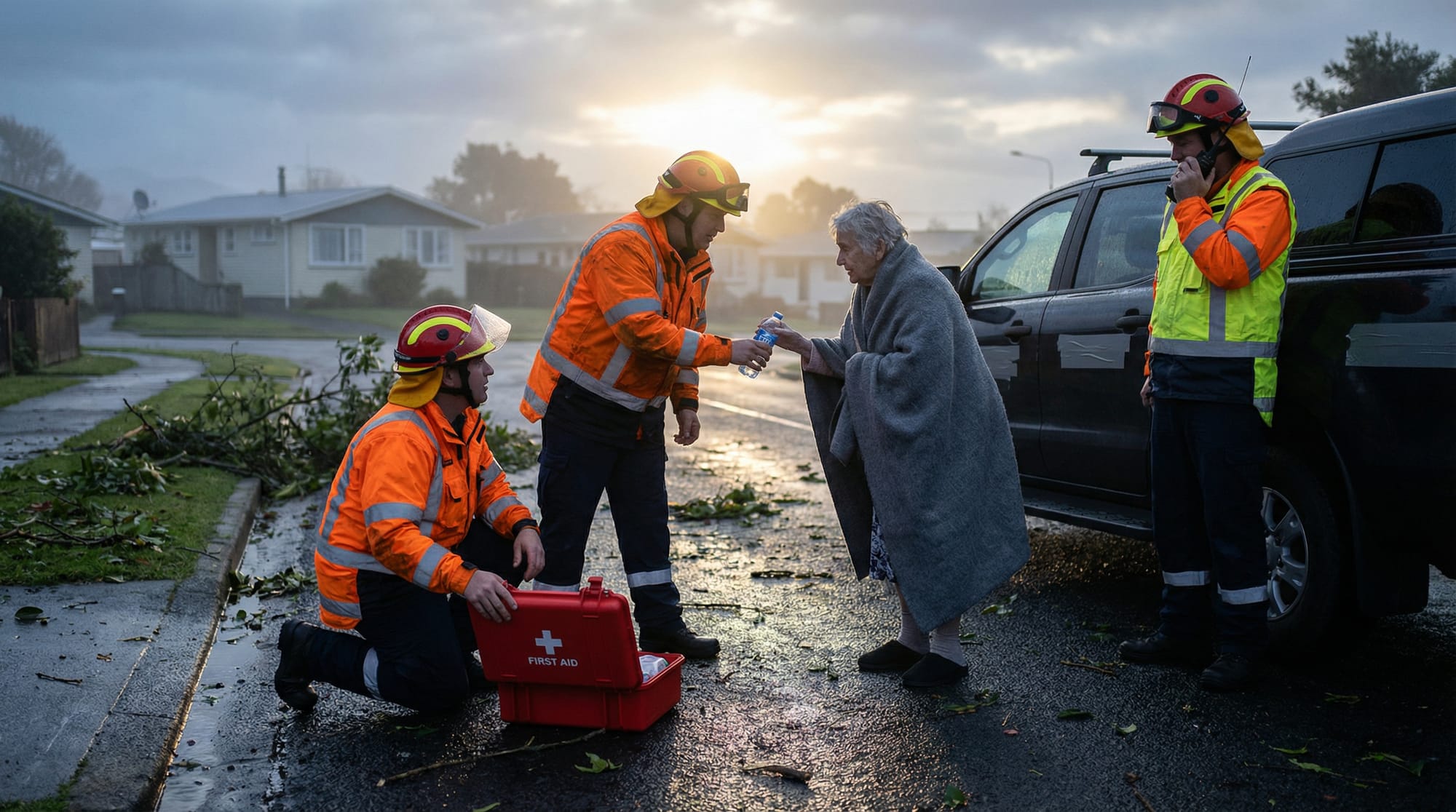
Storm damage and emergency response in Belleville, what to do first
When a storm hits Belleville, tree damage can turn into a life safety issue in minutes. The safest response is simple, act fast, stay back, and call the right help. Eagle Lake Tree Service supports homeowners, property managers, and businesses with emergency tree response, storm cleanup, and hazard mitigation. This guide puts the most important information first, then adds deeper detail so you can make clear decisions under stress.
1) Treat every damaged tree as unstable until a professional says otherwise
After high winds, heavy rain, lightning, or ice, trees can fail without warning. A limb that looks like it is hanging safely may be supported by a torn fiber that is ready to let go. A trunk that looks upright may have root plate failure hidden under the turf. If you are not trained and equipped for tree work, keep people away and do not start cutting.
2) Stay far away from downed wires and trees touching power lines
If a tree is on, near, or even leaning toward a power line, assume the line is energized. Keep everyone at least 35 feet away if you can, more if the ground is wet or the line is arcing. Do not try to move branches off a wire with a pole, rope, ladder, or vehicle. Call the utility or emergency services immediately and wait for confirmation that power is off before any tree work begins.
3) Secure people, pets, and access points
Move family members and pets inside. Block off the hazard zone with what you have, cones, tape, trash bins, or a vehicle parked well away. If the tree threatens a doorway or driveway, use an alternate exit. If a large tree is leaning toward your house, leave the area and do not stand near windows.
4) Prioritize hazards in this order
- Immediate life safety hazards, wires, blocked exits, trees on occupied structures.
- Structural hazards, trees on roofs, garages, vehicles, fences, HVAC units, and retaining walls.
- Access and operations, blocked driveways, roads, and commercial entrances.
- Property protection, dangling limbs over play areas, patios, and parked cars.
- Cleanup and restoration, debris removal, stump work, and replanting plans.
5) Document damage before cleanup when it is safe
For insurance and landlord or tenant documentation, take photos and short videos from a safe distance. Capture wide shots of the whole tree and close ups of contact points with structures. If you must move something to prevent further damage, document it first, then proceed only if there is no electrical hazard and no risk of the tree shifting.
6) Call an emergency tree service with the right capabilities
True emergency response is not just a chainsaw. It requires hazard assessment, trained climbing or aerial lift work, rigging and lowering techniques, and sometimes cranes or specialty equipment. Eagle Lake Tree Service focuses on safe storm response, including controlled limb removal, tree stabilization when appropriate, and careful debris handling around homes and utilities.
What counts as a tree emergency in Belleville
Not every broken branch is an emergency, but many situations demand immediate action because the next failure could injure someone or worsen property damage. These are common emergency scenarios seen after Belleville storms.
- A tree or large limb is touching power lines or has pulled the service drop to your home.
- A tree has fallen onto a house, garage, or occupied building.
- A tree is leaning suddenly, especially if the soil is heaved or cracked near the base.
- A large cracked limb is hanging over a driveway, sidewalk, playground, or entry door.
- The trunk has a fresh split, or you see a long vertical crack with exposed wood.
- Multiple dead limbs dropped during the storm, suggesting internal decay and high failure risk.
- A tree is blocking a shared access road or preventing emergency vehicles from reaching a property.
Hidden hazards that make storm damaged trees unpredictable
Storm damage is not always obvious. A tree can look mostly intact but be structurally compromised. Understanding the common hidden failures helps you avoid dangerous mistakes like pulling on a limb or cutting a trunk under tension.
Root plate failure
After heavy rain, saturated soil loses holding strength. A gust can partially lift the root plate, then the tree settles back down, appearing normal. Signs include fresh soil mounding, turf cracks, new gaps between roots and soil, or a slight lean that was not present before. These trees can fail later, sometimes hours or days after the storm, especially with additional wind.
Fiber tear and hinge points
When a limb breaks but stays attached, it creates torn fibers that act like a hinge. The limb may hold temporarily and then drop suddenly. Torn fibers also make cutting dangerous because the wood can close on the saw or spring as tension releases.
Compression and tension forces
Downed trunks and large limbs often store energy. The top side of a bent limb may be under tension while the underside is under compression, or vice versa, depending on how it is supported. Incorrect cuts can cause the wood to snap or roll. Professionals use step cuts, relief cuts, wedges, and rigging to control movement.
Lightning damage
Lightning can blow bark off in strips, split a trunk, or damage roots. Sometimes the tree looks fine immediately after the strike, then declines over weeks. A lightning damaged tree may become brittle and shed limbs during later winds. If your storm included lightning, mention it during your service call so the arborist can inspect for internal damage.
Ice loading and delayed failure
Ice storms are especially hard on Belleville trees because weight accumulates on every branch. Even after ice melts, cracks and weakened unions remain. Trees can drop limbs on the first warm day or the next windy front. Post ice inspections are valuable even if nothing fell during the storm.
First steps while you wait for emergency tree help
Emergency crews may be handling multiple calls across Belleville after a widespread storm. While you wait, focus on prevention and safety, not cutting.
- Keep everyone out of the fall zone. A good rule is to stay at least the height of the tree away.
- If a tree is on a roof, do not go onto the roof. Avoid attic spaces under the impact area if the structure is compromised.
- Turn off exterior power to damaged outdoor circuits if you can do it safely and the panel is dry.
- Do not park vehicles under damaged limbs, and move cars away if it is safe.
- If rain is expected and there is roof puncture damage, cover interior belongings with plastic. Leave tarping to roofing professionals if the roof is unsafe.
- Prepare access for crews, clear small debris from the driveway if it is not under hanging limbs.
- Write down what happened, time of storm, wind direction, lightning, and any sounds of cracking. This helps diagnosis and insurance notes.
How emergency response typically works with Eagle Lake Tree Service
Every storm scene is different, but a consistent process helps control risk. Here is what emergency response usually looks like when you call Eagle Lake Tree Service for storm damage in Belleville.
Call intake and hazard screening
During the first call, you will be asked questions that help determine urgency and required equipment. Expect questions about wires, whether the tree is on a structure, if access is blocked, and if anyone is in danger. If you can safely share photos, that can speed dispatch decisions.
Arrival and site control
Upon arrival, the crew establishes a safe work zone. This often includes keeping residents back, identifying secondary hazards like hanging limbs, and planning where debris will be staged. If utility involvement is needed, the job may pause until the line is confirmed safe.
Tree risk assessment and plan
A qualified arborist or experienced crew lead evaluates the failure points, wood tension, lean direction, and targets, such as roofs, vehicles, sidewalks, and fences. The plan focuses on the fastest safe way to remove immediate hazards, not on perfect cleanup at the start.
Controlled removal and rigging
When branches or sections must come down near structures, they are lowered with ropes and rigging rather than dropped. If the canopy is tangled with other trees, or the trunk is split, advanced rigging or an aerial lift may be used to reduce climbing risk.
Debris management and temporary stabilization
After the immediate hazard is addressed, the crew may chip brush, cut logs into manageable sections, and stack wood where you prefer. In some cases, a partially damaged tree can be stabilized with pruning and support recommendations, but only if the structure is sound enough for retention.
Final safety check and next steps
Before leaving, the crew checks for remaining hangers, partially cracked limbs, and hidden failures in adjacent trees that were struck during the fall. You receive guidance on follow up care, additional pruning, removal options, or monitoring plans.
Common storm damage scenarios in Belleville, and how they are handled
Storm damage is often a mix of multiple failures, including broken limbs, uprooting, and collateral damage to nearby trees. These are some of the most frequent scenarios and the safest response patterns.
Tree on a house or garage
If a tree has landed on a structure, the priority is to prevent further collapse. Removing the wrong section first can shift weight and worsen the damage. Professionals typically dismantle the tree in a controlled sequence, starting with limbs and moving to heavier trunk sections, using rigging to avoid scraping the roof. If the trunk is acting like a brace, crews may coordinate with a structural contractor before removing it.
Large limb failure over a driveway or sidewalk
Hanging limbs are among the most dangerous hazards after a storm because they can fall with no warning. Emergency pruning focuses on removing the hanger cleanly back to a suitable cut point when possible, reducing additional tearing. If the limb is too high or too heavy, an aerial lift or climbing system is used rather than ladder work.
Uprooted tree with soil mound
Partially uprooted trees often cannot be safely saved, especially if the root plate has lifted and major roots have snapped. In some cases, smaller trees can be reset if addressed immediately and if roots are mostly intact, but most mature failures require removal. The work plan considers how the root ball may settle or roll when trunk sections are removed.
Split trunk or major union crack
When the trunk splits, internal structural wood is compromised. Even if the tree remains standing, it can fail later. An arborist evaluates crack depth, included bark, and load distribution. Many split trunks require removal because the residual strength is unpredictable.
Multiple trees down and tangled
Storms can create domino failures, especially in tight tree groups. Tangled canopies store energy and can shift as you cut. Professional crews work from the outside in, relieving tension gradually and using equipment to keep sections controlled. This is not a safe DIY situation.
Storm damage near fences, sheds, and landscaping
Even when the target is not the house, the same safety principles apply. Rigging allows sections to be lowered without destroying fences, garden beds, and small structures. If you care about minimizing collateral landscape damage, mention it during intake so staging can be planned accordingly.
Why storm damaged tree work is not typical chainsaw work
Many injuries after storms happen when property owners try to cut a fallen tree without understanding tension, kickback risk, and unstable footing. Emergency work is different from routine pruning because the tree is already broken, loaded, and unpredictable.
- Storm damaged wood often binds saw bars, increasing kickback and pinching risk.
- Branches can spring upward as compression is released.
- Trunks can roll when a supporting limb is cut.
- Work zones may include nails, metal fencing, or debris hidden in brush.
- Wet conditions increase slip risk and reduce traction for both people and machines.
- Partially supported trees can move unexpectedly when weight distribution changes.
Coordination with utilities and municipal response
After a major storm in Belleville, restoration involves multiple parties. Understanding roles helps you avoid delays and unsafe assumptions.
Utilities
Utilities handle energized lines and may clear branches that are directly obstructing power restoration. However, they may not remove the entire tree or clean the property, especially beyond what is required to restore service. Once power is confirmed safe, a tree service can proceed with full hazard mitigation and cleanup.
Municipal crews
City or county crews may prioritize public roads and right of way access. If a downed tree is on a public street, report it through the appropriate local channel, then avoid attempting removal yourself. If the tree is on your property but blocks a sidewalk, you may be responsible for remediation depending on local rules.
Homeowners and property managers
Your role is to keep people safe, document damage, and coordinate repairs. When multiple contractors are involved, such as roofing, siding, and tree removal, sequencing matters. In many cases, tree hazards must be addressed before roof work can safely begin.
What to ask when you call for emergency tree service
During widespread storm events, many companies get overwhelmed, and some unqualified operators appear. Asking direct questions helps you choose a safer response.
- Are you experienced with storm damage and emergency removals?
- Do you have climbers, aerial lift access, and rigging equipment for controlled lowering?
- Can you work near structures without dropping sections onto the roof?
- How do you handle trees involved with power lines, do you coordinate with the utility?
- Will you provide a written scope of work and cleanup details?
- Do you offer stump grinding and restoration after the emergency phase?
- Can you advise whether the tree can be saved with corrective pruning or support systems?
Emergency triage, what can wait and what cannot
In a busy storm period, you may need to separate urgent work from work that can safely be scheduled. This can reduce after hours costs and help the community respond to the highest risk calls first.
Usually urgent
- Any tree contacting wires or threatening live conductors.
- Trees on roofs, especially if they opened the roof deck or are shifting in wind.
- Hangers over doors, driveways, sidewalks, or play areas.
- New severe lean with soil heaving at the base.
Often can be scheduled soon, but not necessarily same day
- Large debris down in the yard away from targets.
- Minor limb loss that does not create a hanging hazard.
- Cosmetic cleanup and wood hauling.
- Stump grinding and replanting planning.
Storm damage cleanup options, removal, pruning, and salvage
After the initial emergency is controlled, the next decision is what to do with the damaged tree and surrounding canopy. A qualified arborist considers species, age, health, pre existing defects, and the extent of damage.
Selective pruning to keep the tree
If damage is limited to smaller limbs and the main structure remains sound, corrective pruning can restore balance and reduce future risk. Good storm recovery pruning focuses on proper cuts that support compartmentalization and avoids topping, which can create weak regrowth and higher failure risk in future storms.
Partial removal, reducing a damaged canopy
Sometimes a tree can be retained with crown reduction to reduce sail effect and leverage on weak unions. Reduction must be done with correct pruning targets to avoid making the tree more stressed or poorly balanced.
Full removal when risk is too high
Removal may be the safest choice when the trunk is split, the tree is uprooted, decay is extensive, or the tree leans toward high value targets. A good removal plan also considers nearby trees that may have been damaged or destabilized when the tree fell.
Salvage and wood handling
After storm removals, many clients ask about saving firewood or milling logs. If you want to keep wood, discuss it before cutting begins so the crew can buck logs to lengths you prefer and stage them where you can access them later. Be aware that storm damaged wood can include embedded debris, and some species stain or crack quickly if not processed.
Costs and scheduling, what drives emergency pricing
Emergency tree work can cost more than routine service because it involves time pressure, higher risk, and specialized equipment. Knowing what drives cost helps you compare estimates fairly.
- After hours response, nights, weekends, and holidays.
- Complexity, such as trees on roofs, tangled trees, or split trunks.
- Access, fenced yards, narrow gates, steep slopes, soft ground, or limited truck placement.
- Equipment needs, cranes, aerial lifts, skid steers, or specialized rigging.
- Disposal, chipping volume, log hauling, and dump fees.
- Required coordination with utilities or traffic control near roadways.
Insurance considerations for storm damage trees
Insurance rules vary, so always check your policy and speak with your adjuster. However, there are consistent best practices that help homeowners and property managers in Belleville navigate tree related claims.
Document before you move debris
Photos of the tree as it fell, contact points, and the full scene can support coverage decisions. Include a measuring reference if possible, such as a person standing far away, or a known object, but do not approach hazards.
Keep receipts and written scopes
Emergency invoices, written estimates, and contractor notes can be important. Ask for an invoice that clearly states emergency hazard mitigation, tree removal, debris hauling, and any temporary stabilization work performed.
Understand common coverage patterns
Often, removal is covered when a tree damages a covered structure, blocks a driveway, or prevents access, but may not be covered for a tree that simply fell in the yard. Debris removal limits may apply. Because policies differ, avoid assumptions and get guidance from your insurer.
Do not delay safety work
If a tree is unsafe, prioritize hazard reduction. Insurance companies generally expect you to prevent additional damage when reasonable. That said, avoid unnecessary work beyond safety and stabilization until you have documentation in place.
How to prevent storm damage before the next Belleville storm
Storm response is critical, but prevention can reduce both damage and emergency costs. The goal is not to make trees storm proof, which is impossible, but to reduce risk by improving structure and health.
Schedule routine pruning on a cycle
Many mature shade trees benefit from periodic structural pruning and deadwood removal. Removing dead limbs, reducing end weight on long branches, and improving clearance over roofs and driveways can significantly lower storm failures.
Correct weak branch unions
Included bark, co dominant stems, and tight V shaped unions are common failure points. Early reduction or structural training can reduce leverage. In some cases, professional cabling and bracing can add support, but it must be designed and installed correctly and inspected over time.
Address decay and pests early
Fungal conks, cavities, carpenter ant activity, and chronic dieback are warning signs. Decay reduces wood strength and increases storm failure risk. An arborist inspection can determine whether pruning, removal, or monitoring is the best choice.
Improve root health and soil conditions
Roots provide anchorage, and compacted or waterlogged soils reduce stability. Practical steps include mulching properly, avoiding piling mulch against the trunk, reducing soil compaction from vehicles, and improving drainage where feasible. For trees showing stress, a professional soil and root zone assessment can reveal contributing factors.
Choose storm resilient species when planting
Species selection matters, especially in areas that experience strong winds and ice. Consider trees with strong branch architecture and appropriate mature size for the site. Avoid planting large maturing trees directly under lines or too close to structures. A planting plan that matches tree size to available space is one of the best long term storm mitigation strategies.
Maintain safe clearances
Keep trees from growing into service drops, rooflines, and gutters. Overhanging limbs can break and puncture roofs even if the tree itself remains standing. Planned pruning is safer and cheaper than emergency cutting.
Belleville specific factors that influence storm damage
Belleville properties often include a mix of mature neighborhood trees, newer development plantings, and commercial landscapes. Each setting influences how storm damage shows up and how crews approach emergency work.
Mature tree canopies near homes
Older neighborhoods may have large maples, oaks, and other shade trees with long lateral limbs over roofs and yards. These provide great benefits, but they also raise the stakes during storms. Regular inspections are important, especially for trees with previous pruning wounds, cavities, or heavy end weight over structures.
Mixed species plantings and fast growing trees
Some fast growing species can develop weaker wood or poor branching if not trained early. After storms, these trees may show multiple limb failures. Structural pruning when trees are young can prevent these patterns later.
Wind exposure and saturated soils
Open lots, hilltops, and areas with poor drainage tend to see more uprooting after heavy rain combined with wind. If your yard stays wet, trees may have shallower rooting, making them more vulnerable. Addressing drainage and keeping heavy equipment off wet soils can help reduce future failures.
Construction impacts
Trenching, grade changes, and root cutting can destabilize trees. A tree may look fine after construction, then fail in a storm because roots were compromised. If your property had recent work, mention it during the inspection because it changes the risk picture.
What happens after the emergency, recovery and restoration
Once immediate hazards are cleared, the next steps focus on returning your property to normal and preventing secondary problems.
Secondary inspections
Storms can damage trees that did not fall. Nearby trees may have bark scrapes, broken tops, or cracked limbs from impacts. A follow up walk through helps identify hazards before the next wind event.
Stump grinding and site cleanup
After removals, stumps can be ground to below grade so the area can be re seeded or replanted. If you plan to replant soon, discuss stump depth and chip management. Some clients keep chips as mulch, while others prefer full removal.
Replanting with resilience in mind
Replanting is a chance to improve your landscape. Consider setbacks from structures, overhead clearance, soil conditions, and the mature size of the tree. A diverse planting plan can reduce the chance that one pest or storm pattern wipes out the canopy across the property.
Monitoring saved trees
If a storm damaged tree is retained, it should be monitored for new cracks, canopy dieback, fungal growth, and changes in lean. Some trees survive initial damage but decline over time. A scheduled check can catch problems early.
Safety standards and professionalism, what good tree work looks like
In an emergency, it is tempting to hire the first available crew. However, storm work is high risk, and quality matters. Professional tree care emphasizes controlled work practices, clear communication, and leaving the site safer than it was found.
- Clear explanation of hazards and proposed mitigation steps.
- Safe work zones with bystanders kept back.
- Use of rigging to protect structures when necessary.
- Appropriate equipment for the job, not improvised ladders for high hazards.
- Coordination with utilities when electrical hazards exist.
- Cleanup expectations defined, including what happens to chips and logs.
Preparing your property for faster emergency response
You cannot prevent every storm, but you can make emergency work faster and safer if damage happens again.
- Keep gates accessible and know the width of your gate opening.
- Trim back shrubs that block access to the tree line or backyard gate.
- Know where your utility shutoffs are, and keep them unobstructed.
- Keep outdoor lighting working so hazards are visible at night.
- Store vehicles where they are less likely to be trapped by a fallen tree.
- Consider a pre storm inspection if your property has large trees over the home.
Emergency communication checklist for Belleville storm events
Having information ready helps crews respond accurately. Keep these notes in your phone or on paper.
- Exact address and best access point, front driveway, alley, or side gate.
- Whether a tree is on a structure, and which part of the structure is affected.
- Whether wires are involved, including sparking, arcing, or a pulled meter base.
- Any injuries or immediate safety concerns.
- Photos from safe distances, taken in good light if possible.
- Whether roads or driveways are blocked, and if emergency vehicles can pass.
- Special considerations, septic fields, buried lines, or fragile landscaping.
Frequently asked questions about storm damage trees in Belleville
Should I cut a tree off my roof myself?
No. Roof work is dangerous in dry conditions, and storm conditions add wet surfaces, hidden damage, and unstable loads. A tree on a roof can shift unexpectedly. Professional crews can dismantle the tree in a controlled order and help prevent additional roof damage.
Is it safe to use a ladder to cut hanging branches?
No. Ladder cutting is a leading cause of injury. Hanging branches can move when cut, and the saw can pull you off balance. Use a qualified tree service with proper climbing, lift, and rigging methods.
Can a leaning tree be saved?
Sometimes, but it depends on why it is leaning. If a tree leaned gradually over years, it may be stable. If it leaned suddenly after a storm and the soil is heaved, the roots may be failing, and removal may be necessary. An on site assessment is the safest way to decide.
What if the tree is on a neighbor’s property but fell into my yard?
Property and insurance rules vary. The immediate priority is safety and preventing further damage. Document the situation and communicate with the neighbor. If the tree threatens your home or blocks access, you may need emergency work regardless of final cost responsibility.
How quickly should storm damaged trees be inspected?
If there are hangers, new leans, cracks, or damage near targets, inspection should happen as soon as possible. If the damage is minor and away from targets, schedule an inspection within days to weeks, especially after ice or high wind events.
What should I do with the wood and debris?
You can choose chipping and removal, onsite stacking for firewood, or a mix. Decide what you want before work begins. If you want firewood lengths, specify preferred log sizes and where to stack them.
Does topping a tree prevent storm damage?
No. Topping creates large wounds and weak regrowth, often increasing storm failure risk later. Proper reduction and structural pruning are safer approaches when size or end weight needs to be managed.
When should I consider removing a tree after repeated storm failures?
If a tree has repeated major limb loss, visible decay, poor structure, or a location where failure would likely hit a home or high traffic area, removal may be the most responsible option. A qualified arborist can help weigh risk, benefits, and replacement options.
Choosing an emergency response partner in Belleville
Storm events can be chaotic, and the right partner reduces both risk and frustration. Eagle Lake Tree Service focuses on safe storm damage response, clear communication, and practical recommendations for what to do now and what to schedule later. Whether you need immediate hazard removal, careful work around a roof, or a post storm inspection plan, the goal is the same, make the property safe and help you recover quickly.
Summary, the fastest safe path after storm damage
- Assume storm damaged trees are unstable, keep people back.
- Treat any involvement with wires as an electrical emergency, call the utility and do not approach.
- Document damage from a safe distance for insurance and planning.
- Call a qualified emergency tree service for controlled hazard removal.
- After the immediate risk is controlled, schedule follow up inspection, cleanup, and prevention pruning.
If you are dealing with storm damage in Belleville and need urgent guidance, focus on safety first, then bring in professionals to handle the technical and hazardous work. The right response can prevent injuries, reduce property loss, and set your landscape up for a stronger recovery.