Top 10 Seasonal Tree Maintenance Tips for Sharbot Lake Cottages
Top 10 Seasonal Tree Maintenance Tips for Sharbot Lake Cottages
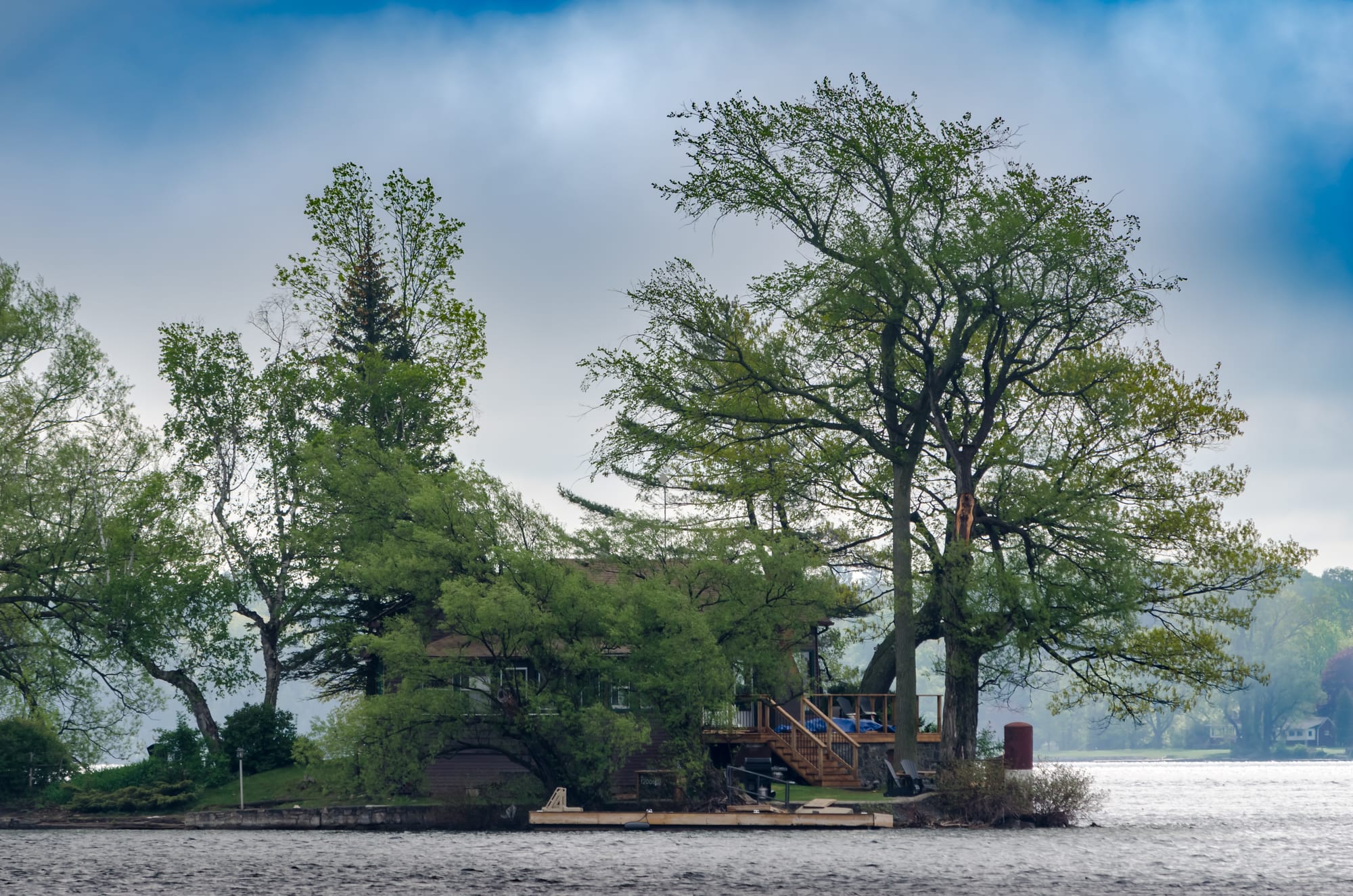
Trees are a big part of cottage life in Sharbot Lake, they provide shade, privacy, and that classic lakeside feel. They also face real stress from Ontario winters, heavy spring moisture, summer storms, and fall winds. Seasonal care helps prevent property damage, reduces cleanup, and keeps your treed lot healthy for years.
Use the tips below as a practical, cottage friendly checklist. If you are not comfortable with heights, chainsaws, or working near utilities, call a qualified arborist. Eagle Lake Tree Service supports cottage owners throughout Sharbot Lake and nearby communities, including Tweed, Belleville, Arden, and Napanee.
- 1) Do a spring hazard walk, before you open the cottage
After snow melt, walk the full property line and the areas around roofs, decks, sheds, docks, and driveways. Look for hanging limbs, fresh cracks in trunks, split branch unions, heaving roots, and trees leaning more than last season. Pay extra attention to shoreline edges where soil can soften and roots can lose grip. Flag anything that could hit people, vehicles, or structures so it gets handled early.
- 2) Prune deadwood in late winter or early spring
For many species, late winter and early spring are ideal for structural pruning because the canopy is open and you can see problems clearly. Remove dead, broken, rubbing, and weakly attached limbs to lower storm risk. Keep cuts clean and avoid leaving stubs. If you see large dead sections high in the canopy, it is usually safer and more cost effective to have a tree service handle it with proper rigging.
- 3) Watch for ice and snow damage, then correct it, not just clean it up
Heavy snow and ice can bend evergreen tops, split multi stem trees, and create long cracks that worsen later in the year. In spring, do not just pick up branches, assess why they failed. Sometimes a simple reduction prune, cable support, or selective thinning can prevent repeat failures. If a trunk has a fresh vertical crack or a major limb tore away, get an arborist opinion before the next wind event.
- 4) Mulch properly, and protect roots from mowing and foot traffic
Cottage lots often have compacted soil near parking areas, paths to the lake, and play spaces. Apply a 2 to 4 inch layer of wood mulch under key trees, keeping it pulled back several inches from the trunk to prevent rot and pests. Avoid piling soil or mulch against bark. Also, keep string trimmers away from trunks, repeated bark wounds are a common cause of decline and insect entry.
- 5) Plan summer pruning carefully, and avoid heat stress
Summer is great for light touch pruning, such as removing small suckers, clearing sightlines, or addressing minor clearance issues. Avoid heavy pruning during hot, dry stretches, it can stress trees and trigger weak regrowth. If you need clearance for rooflines, eaves, or lake views, aim for targeted cuts that preserve the tree’s natural form. Never top trees, topping increases decay and future breakage.
- 6) Check high risk zones, cabins, septic beds, and powerlines
Identify trees that could reach your cottage, sleeping areas, or parking pad if they fail. Also map out septic beds, wells, and buried services so roots and equipment are not disturbed during work. If branches are near powerlines, do not attempt pruning yourself. Coordinate with the utility or hire a service experienced with safe clearance. Preventing contact is critical during Sharbot Lake wind and thunderstorm season.
- 7) Stay ahead of pests and disease, especially stressed trees
Walk your trees monthly in warm weather. Look for thinning canopies, peeling bark, sawdust at the base, exit holes, leaf spotting, and unusual dieback. Ash trees in Eastern Ontario can be affected by emerald ash borer. Caterpillars and fungal issues can also flare up after wet springs. Early detection allows for better options, including selective pruning, sanitation, or removal before a tree becomes brittle and hazardous.
- 8) Prepare for storms, reduce sail, clear weak unions, and manage evergreens
Storm resistance is often about structure. Trees with dense, heavy canopies can act like sails in gusts. Strategic thinning and reduction can lower wind load without stripping the interior. Pay attention to co dominant stems, tight V shaped unions, and long overextended limbs, these are common failure points. For pines and spruces, remove dead lower limbs and assess tops for past lightning or wind injury.
- 9) Do fall cleanup with a safety mindset, and set up winter protection
In fall, remove dead limbs you can safely reach, clear branches over paths, and keep gutters and roof valleys free of debris. Rake leaves away from the base of young trees to reduce rodent hiding spots. If deer browse is common, use trunk guards on saplings. Before freeze up, mark important trees near driveways with reflective stakes to prevent snowplow and vehicle impacts.
- 10) Know when removal is the best maintenance
Sometimes the safest choice is removal, especially for trees with advanced decay, major root damage, severe lean toward the cottage, or repeated large limb failures. Removing one high risk tree can protect the rest of your canopy by preventing collateral damage during storms. A professional assessment can also suggest replacement trees that suit cottage lots, such as species with stronger structure and better tolerance to lakeside conditions.
Seasonal takeaway
Sharbot Lake cottage trees need year round attention, but a simple routine makes a big difference. Start with a spring hazard walk, prune with purpose, protect roots, and address structural issues before summer storms and winter ice return.
If you would like help with pruning, storm damage cleanup, or high risk removals, Eagle Lake Tree Service can provide arborist style care for cottage properties in Sharbot Lake and the surrounding region.