15 Signs Your Tree Needs Professional Pruning, and What to Do Next
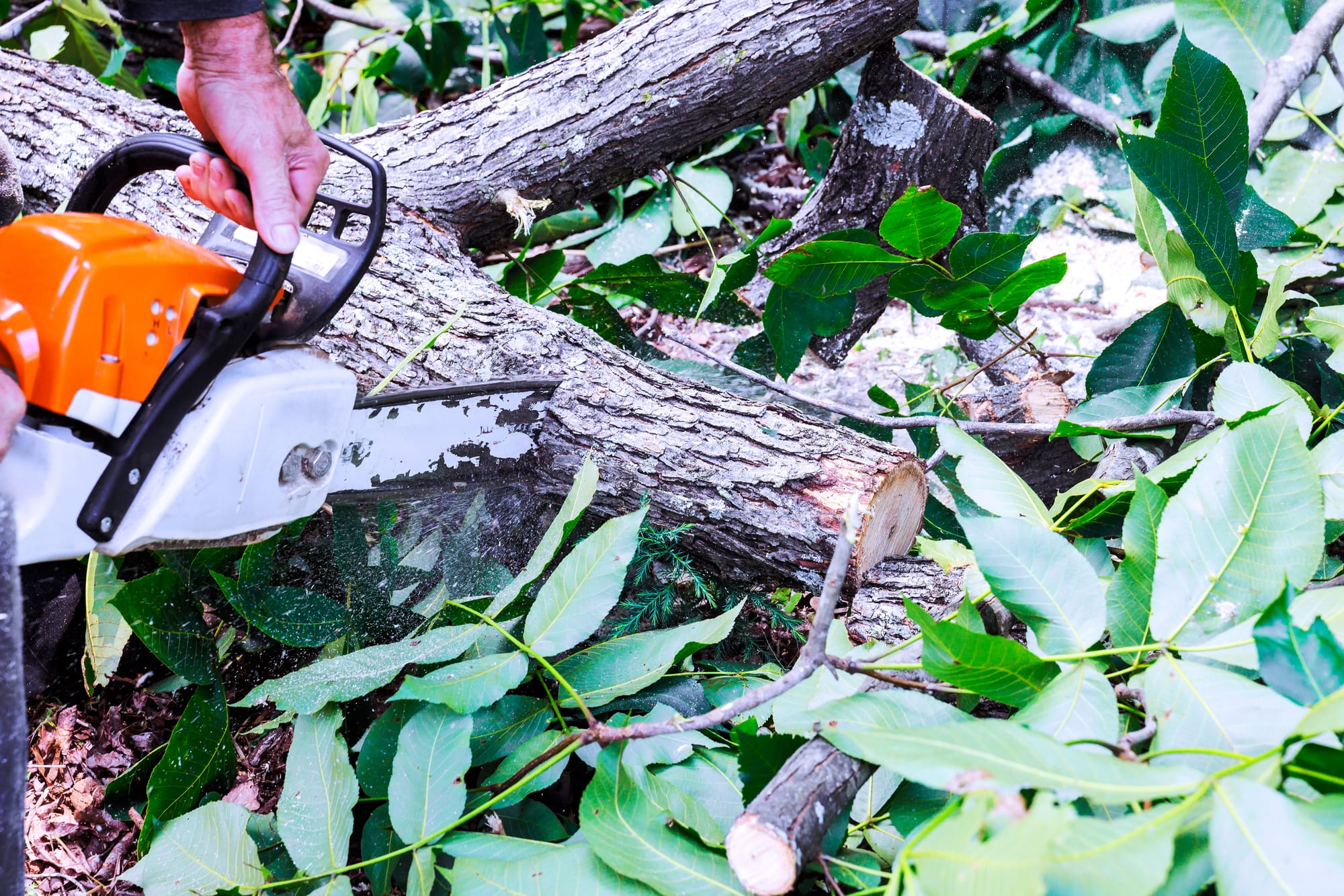
When a tree needs pruning, timing matters. Prompt, professional pruning can prevent branch failures, reduce storm damage, protect your home and vehicles, and improve tree health. If you notice any of the signs below, treat it as a safety and property protection issue first, and a beauty issue second.
If there is an immediate hazard, such as a large cracked limb over a roof, driveway, or power line, keep people away from the area and contact a qualified arborist. Avoid using ladders, ropes, or chainsaws near stressed wood, because failing branches can move unpredictably.
15 signs your tree needs professional pruning
- 1) Dead branches in the canopy. Dry, brittle, leafless limbs can break without warning and should be removed cleanly at the correct cut point.
- 2) Hanging, cracked, or split limbs. Fresh splits, peeling bark on a limb, or a branch that is partially attached is a high priority pruning need.
- 3) Branches rubbing or crossing. Constant friction creates wounds that invite decay organisms and pests, especially where limbs cross tightly.
- 4) Large limbs over your roof, driveway, patio, or play area. Even healthy branches can fail in wind, ice, or heavy rain, especially if the tree has structural defects.
- 5) Branches touching the house, gutters, or siding. Contact causes abrasion, moisture problems, and easy access for rodents and insects.
- 6) Clearance problems over streets and sidewalks. Low branches can block visibility, hit vehicles, and create liability concerns.
- 7) Too much weight at the ends of long limbs. Overextended limbs can sag and split at the attachment point, especially after wet snow or storms.
- 8) Dense interior growth with little airflow. Crowding can increase fungal issues and storm resistance problems, and it often signals neglected maintenance.
- 9) Water sprouts or fast, upright shoots after prior cutting. These weakly attached shoots can snap off later, and they often need selective reduction by an arborist.
- 10) Codominant stems, or two main leaders competing. Tight V shaped unions are prone to splitting. Structural pruning can reduce risk and improve form.
- 11) A leaning tree with heavy canopy on one side. While pruning cannot fix every lean, balancing reductions and risk evaluation can be critical.
- 12) Visible decay near branch unions. Mushy wood, cavities, or fungal growth near where limbs attach can mean the structure is compromised.
- 13) Branch dieback at the tips. Tip dieback can indicate root stress, drought injury, pests, or disease, and selective pruning can prevent secondary problems.
- 14) Storm damage, even if it looks minor. Small cracks can turn into major failures later. A post storm inspection and corrective pruning reduces future hazards.
- 15) Prior topping or improper cuts. Topped trees often develop weak regrowth and decay. Professional corrective pruning can improve safety and slow decline.
What to do next, a simple plan
- Step 1, identify the target area and the potential impact. Note what is under the problem branches, such as cars, roofs, fences, or play spaces, and keep those areas clear.
- Step 2, take photos from a safe distance. Capture the full tree and close ups of cracks, deadwood, or rubbing limbs. This helps when scheduling an assessment.
- Step 3, avoid DIY pruning on large limbs. Large cuts, overhead work, and rigging are where most injuries and property damage occur. Improper cuts can also cause long term decay.
- Step 4, schedule an on site evaluation with an arborist. Eagle Lake Tree Service can inspect structure, defects, and clearance needs, then recommend the safest pruning approach.
- Step 5, confirm the pruning goals in writing. Common goals include hazard reduction, clearance, structural improvement, and health focused thinning. Ask what will be removed and why.
What professional pruning should include
- Correct cuts at the branch collar. Proper technique speeds closure and reduces decay risk.
- Selective pruning, not stripping. A good plan removes specific problem wood while preserving the tree’s natural form and strength.
- Safe rigging and drop zone control. Professionals use ropes and controlled lowering to protect roofs, landscaping, and fences.
- Clearance and standards awareness. Street, sidewalk, and utility clearances may have local requirements, and experienced crews plan accordingly.
- Clean up and next steps. You should know what to expect for debris removal, stump or limb handling, and any follow up care.
When is the best time to prune? Timing depends on species, goals, and local conditions. Many trees respond well to pruning during dormancy, but hazard pruning can be done when needed. Flowering trees may be pruned after bloom to preserve next year’s flowers. If you are dealing with cracked limbs, clearance over a roof, or storm damage, safety takes priority over season.
How much pruning is too much? Removing too much live canopy can stress a tree, reduce energy production, and trigger weak regrowth. A professional will aim for measured, goal based pruning that improves structure without over thinning.
After pruning, watch for these outcomes
- Improved clearance and less branch movement over targets.
- A balanced canopy with fewer rubbing points.
- No fresh tears or stub cuts. Cuts should look clean and intentional, not ripped.
- Reduced storm vulnerability. While no pruning makes a tree storm proof, correct structure and weight reduction can lower risk.
If you see one or more of the 15 signs, especially deadwood, cracks, or overhangs above valuable targets, schedule a professional inspection. Eagle Lake Tree Service can help you choose the right pruning approach, prioritize urgent hazards, and plan routine maintenance that keeps your trees safer, healthier, and better looking for years.